
Redundant/Duplicate Publications
Peer Review Process
The Davao Research Journal (DRJ) employs a double-blind peer review system to ensure fairness, objectivity, confidentiality, and academic integrity in the evaluation of submitted manuscripts. Under this system, the identities of both the authors and reviewers remain anonymous throughout the review process.
After passing the initial editorial screening, manuscripts are assigned to at least two independent expert reviewers with specialization relevant to the subject area of the paper. Reviewers are selected based on their expertise, research background, and absence of conflicts of interest. The review should take around two weeks to one month, depending on the availability of reviewers.
Peer reviewers evaluate manuscripts according to the following criteria:
- Originality and scholarly contribution
- Scientific and methodological rigor
- Academic relevance and significance
- Clarity and organization of presentation
- Ethical compliance and research integrity
Based on the reviewers’ evaluations and recommendations, the Editor-in-Chief may issue one of the following decisions:
- Accept without revision
- Accept with minor revisions
- Major revisions required
- Reject
For manuscripts requiring revision, authors are requested to address the reviewers’ comments within one month after receiving the notice to revise their paper. The authors should submit a revised manuscript together with the question and answer response sheet (Table form) and a cover letter explaining the changes made. Revised manuscripts may be returned to the reviewers for further evaluation when necessary. The final decision regarding acceptance or rejection of a manuscript is made by the Editor-in-Chief based on the reviewers’ recommendations, the quality of revisions, and the journal’s editorial standards. Once accepted, the manuscript will undergo further final proofing, layouting and online publication which may take from one to two weeks. The journal upholds confidentiality, impartiality, ethical peer review practices, and transparency throughout the evaluation process in accordance with internationally recognized scholarly publishing standards and the principles of the Committee on Publication Ethics (COPE).
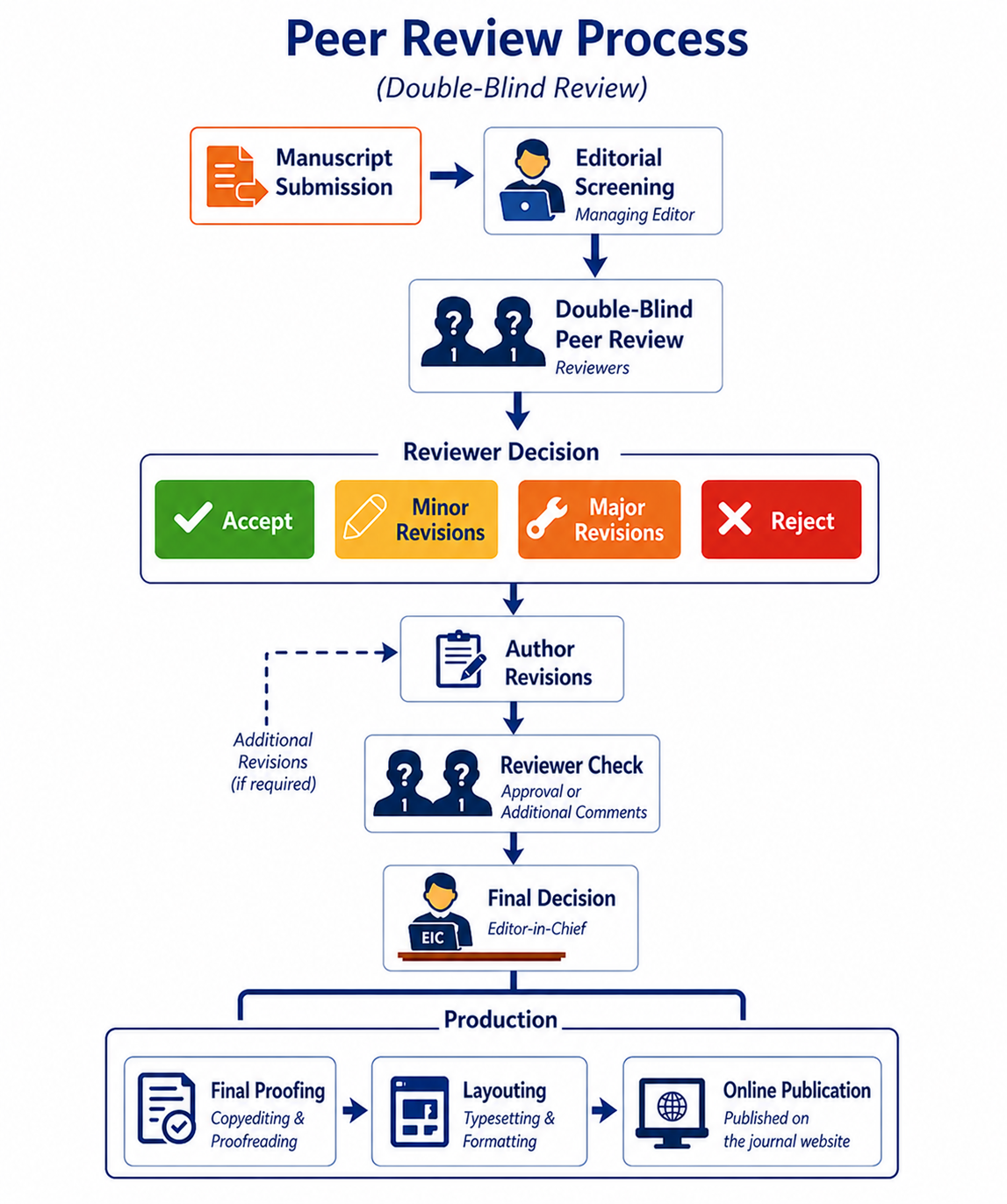
Figure 1. Peer review process of the Davao Research Journal (DRJ).