
Perceptions of the Resident Towards Mining Operation in Barangay Macambol, Mati City, Davao Oriental
DOI:
https://doi.org/10.59120/drj.v6i3.605Keywords:
Macambol, Mining, Operations, Perceptions, ResidentsAbstract
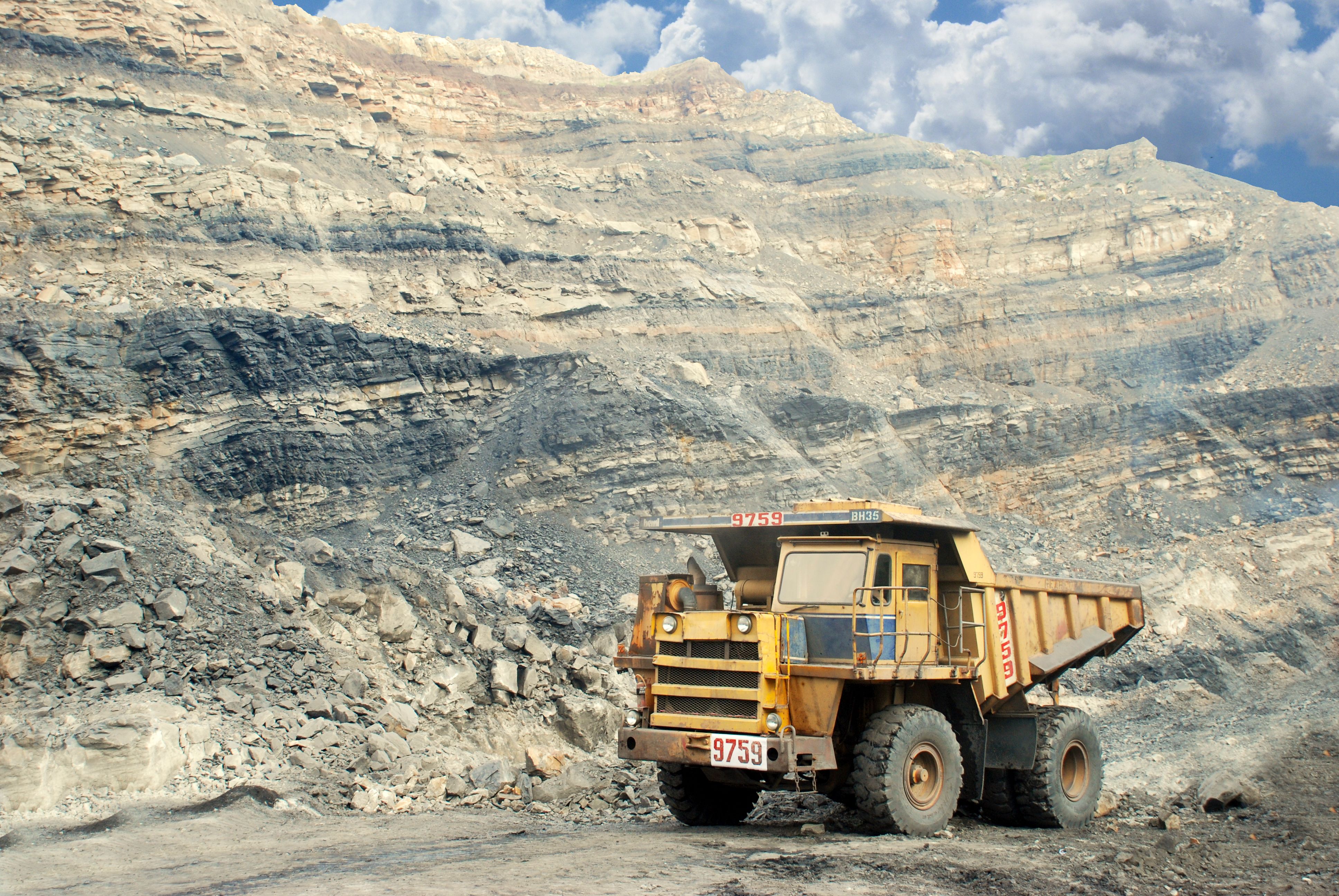
This study was conducted in Barangay Macambol, Mati, Davao Oriental, to assess the residents’ perceptions and awareness regarding mining operations. Specifically, it aimed to determine the socio-demographic profile of the residents, evaluate the community’s acceptability of mining operations, identify the socio-economic and possible environmental impacts of mining, and determine the level of awareness of residents regarding mining activities. A semi-structured questionnaire was used to gather data on the respondents’ socio-demographic characteristics, perceptions, acceptability, socio-economic impacts, environmental concerns, and awareness of mining operations. In addition, site visits, ocular inspections, and photo documentation were conducted to validate observations in the study area. Data were analyzed using frequency counts and percentages. The findings revealed that among the 250 respondents, the majority belonged to the 41–50 age bracket. Most respondents earned less than Php 3,000 per month, while fishing was identified as the primary occupation of many respondents (44%). Regarding the acceptability of mining operations, the majority (55%) expressed agreement, citing employment opportunities and potential economic benefits for the community and the country. However, respondents also recognized the possible environmental consequences of mining, with 92% believing that mining activities could contribute to environmental degradation and the destruction of natural resources. In terms of awareness, most respondents were informed about mining operations through public consultations conducted by the mining company (76%), although awareness through newspapers, radio, and television remained limited. The study recommends that mining operations adhere to responsible mining principles that promote environmental protection, community welfare, sustainable development, and improved quality of life.
Downloads
References
Arms, K. 1994. Environmental Science, second Edition. Saunders College Publishing-Harcourt
Brace College Publisher Pp. 183-184.
Beteman, I., and K. Willis. 1999 Valuing Environmental Preferences: Theory and Practice of the Contingent Valuation Method. Oxford: Oxford University Press, p. 40.
Botkin, D.B and E. A Keller. 1995. Environment Science: Earth as a Living Planet. John Wiley
and Sons, Inc., New York.
Brewer, R. 1994. Ecology, Third Edition. W. H. Freeman and company. p 5.
Burgess, J., E. Barbier and C. Folke. 1994. Paradise Lost? The Ecological Economics of
Biodiversity Decline. London Earthscan. P 34
Center for Alternative Development Initiatives. 1998. Understanding the Philippine Agenda 21. Philippine Council for Sustainable Development Sub-committee on Information and Education, Integrated Environmental for sustainable Development Programmed, Manila, Philippines. Pp. 15-23.
Cruz, I. 1999. An Overview of the Mining Industry and Regulatory Climate in the Philippines.
Minding Mining! Lessons from the Philippines, by the Philippines International
Forum. February 1999.
Duresa, J. 2003 Minanews, Mineral Industry Key Part of Mindanao Growth. Mindanao
Association for Mineral Industries, Inc. (MINA) Information Newsletter Vol. 1 Issue 3
May June 2003.
Environmental Management and Pollution control.2003. The Air We Breathe. RA. 8749 The Philippine Clean Air Act of 1999. Trimark Publishing. P.1
Encyclopedia Americana. 1997. Delure Library Edition. p 168 Pp. 183-184
Freedman, B. 1994. Environmental Ecology, Second Edition Sunders College Publisher 46
Downloads
Published
Issue
Section

License
Copyright (c) 2005 Dani Antonio B. Acha, Eleanor M. Vilela

This work is licensed under a Creative Commons Attribution-NonCommercial 4.0 International License.
DRJ is an open-access journal and the article's license is CC-BY-NC. This license allows others to distribute, remix, tweak, and build on the author's work, as long as they give credit to the original work. Authors retain the copyright and grant the journal/publisher non-exclusive publishing rights with the work simultaneously licensed under a https://creativecommons.org/licenses/by-nc/4.0/.