
Lifescape and Mindscape of Cateel Upland Rice Farmers and their Indigenous Post-Harvest Practices
DOI:
https://doi.org/10.59120/drj.v6i3.604Keywords:
Alingatong, Kamarine, Limot, Mandaya, YabyabanAbstract
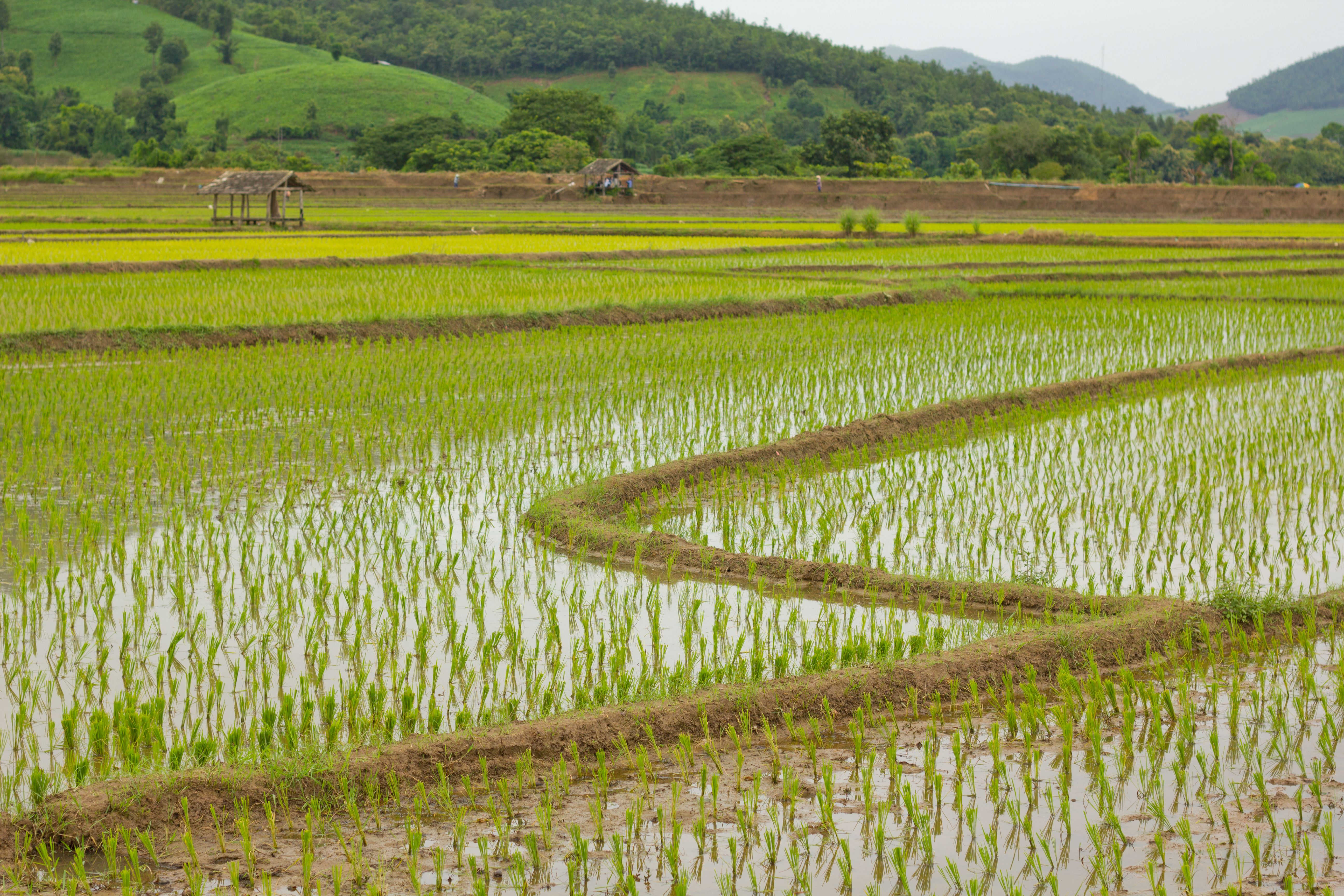
This descriptive study explored the lifescape, mindscape, and indigenous post-harvest practices of upland rice farmers in Cateel, Davao Oriental. The research aimed to determine the respondents’ socio-demographic, socio-economic, and psychosocial characteristics, as well as their production practices, land conservation methods, and post-harvest technologies. A total of 32 respondents participated in the study. Data were gathered through semi-structured interviews and Participatory Rural Appraisal (PRA) tools, including livelihood analysis, seasonal calendars, and flow diagrams. The respondents were primarily male, married, and engaged in farming as their main occupation. Upland rice cultivation served as their principal source of livelihood, supplemented by coconut farming, abaca production, coffee cultivation, and small-scale entrepreneurial activities. Most respondents owned the land they cultivated, although they generally earned low monthly incomes and had educational attainment limited to the elementary level. The study further revealed that indigenous post-harvest practices remain an important aspect of their farming system. Traditional storage facilities such as Kamarine, Limot, and Tambuang were commonly utilized, while natural materials including tanglad, katutis, sangig, and alingatong leaves, were used as seed preservatives. Farmers predominantly relied on organic fertilizers, selected seeds through traditional methods such as “yabyaban” or “taphan,” and used seeds saved from previous harvests. Although some traditional rituals have evolved due to cultural and religious influences, indigenous knowledge continues to guide farming practices. Women played a vital role in seed selection, preservation, and storage. Overall, respondents recognized land as their primary means of livelihood, survival, and cultural continuity.
Downloads
References
Adresen, P.R. Experience in Nigeria and the USA (Divergent Farming Knowledge) Indigenous
Knowledge Development Monitor (2001)
Dissel, S.C.V., and Graff, d.J. Erosion and Soil and Water Conservation Group (Department of
Environmental Science) Indigenous Knowledge Development Monitor (1998)
Erikson, Erik Eight Stages psychology.about.com/library/weekly/aa091500a.htm (1902-1994)
Development.
Freud, Sigmund. Theory of the id, the ego and the super ego [Internet Encyclopedia of
Philosophy] www.utm.edu/research/iep/f/freud.html (1856-1939)
Fromm, Erich Personality Theories, www.ship.edu/~cgboerce/fromm.html (1900-1980)
Gremier, Ms. Three definitions of Indigenous Knowledge. Indigenous Knowledge Monitor
(1998)
How Important is the Indigenous Knowledge
http://www.fftc.agnet.org/library/abstract/eb465a.html
Harvesting. http://www.fao.docrep/T0073E/T0073E01.html August 2004
Igbokwe, E.M. 1999. Indigenous Knowledge System Indigenous Knowledge and
Development Monitor Volume 7. Issue 1. March 1999.
International Issues in Agrarian Reform: Past Experience- Future Prospects (1990) Value of
Indigenous Knowledge. http://www.idrc.cal/en/ev-36259-201-1Do-Topic.html
Klee, G.A. Conservation of Natural Resources (1999)
Kolawole, O.D. 2001 Local Knowledge Utilization and Sustainability Rural Development in
the 21 Century Indigenous Knowledge and Development Monitor Volume 9 Issue 3
November 2001
Kothari, B. 1995. From Oral to Written: The Documentation of Knowledge in Ecuador
Indigenous Knowledge and Development Monitor Volume 6. Issue 3. December 1998
Maslow, A. Hierarchy of Needs, web.utk.edu/~gwynne/maslow.HTM (1954)
Mendoza, M.CY Terracing with the Aid of Gravity Flow. Indigenous Knowledge Development
Monitor (1999)52
Padua, D. B. de. Grain Post Production Systems Agricultural Engineering Division
International Rice Research Institute Philippines.
http://www.fao.org/sd/RT direct/Rtre0017 htm Aug. 10, 2004
Sillito, P 1998. Indigenous Knowledge In effect “Local Knowledge Indigenous Knowledge and
Development Monitor Volume 6. Issue 3 December 1998
Spiertz, J.H.J. Ecological Resources and Management for Sustainable Agriculture: Issues in
the Management of Agricultural Resource. FFTC Book, (2001)
Vygotsky, L.S. Beyond the Individual-Social Antimony in Discussions of Piaget and Vygotsky
(1929).
Zoleta-Nantes, D.B. Biodiversity Research Programme for Development in Mindanao Focus on Mt. Malindang and Environs. (2000)
Downloads
Published
Issue
Section

License
Copyright (c) 2005 Edezer P. Lumtan

This work is licensed under a Creative Commons Attribution-NonCommercial 4.0 International License.
DRJ is an open-access journal and the article's license is CC-BY-NC. This license allows others to distribute, remix, tweak, and build on the author's work, as long as they give credit to the original work. Authors retain the copyright and grant the journal/publisher non-exclusive publishing rights with the work simultaneously licensed under a https://creativecommons.org/licenses/by-nc/4.0/.