
Fishing Practices of Kalagan Fisherfolks in Mati City, Davao Oriental: Its Implications to Coastal Resource Management
DOI:
https://doi.org/10.59120/drj.v6i2.622Keywords:
Coastal, Fisherfolks, Fishing, Kalagan, PracticesAbstract
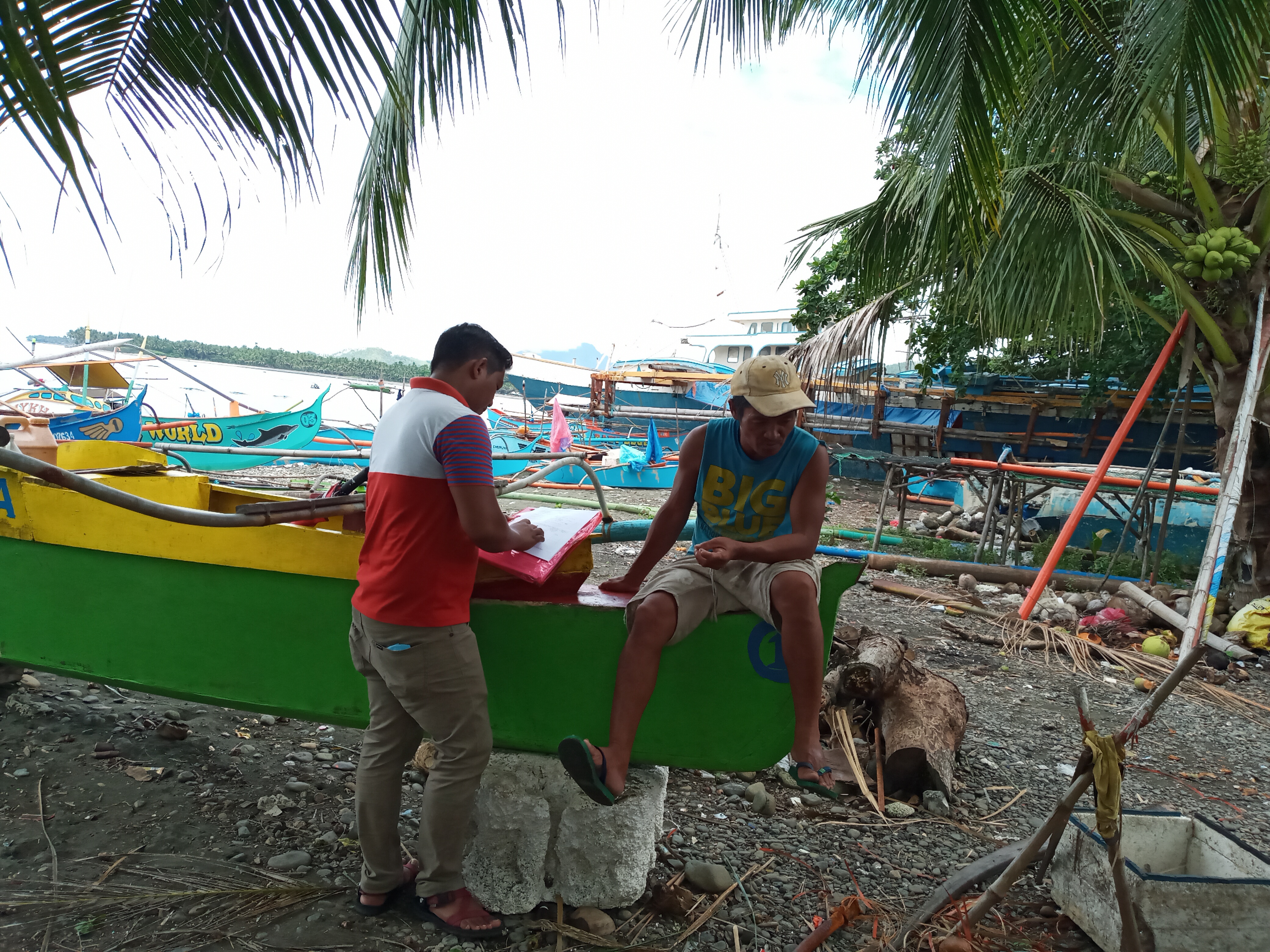
This study investigated the fishing practices of Kalagan fisherfolk in Mati, Davao Oriental, and their implications for coastal resource management. Specifically, it identified their fishing methods, problems and needs, and strategies for managing coastal resources. A descriptive research design was used, with questionnaires supplemented by personal interviews. Respondents were selected using Slovin’s formula. Conducted from December 2003 to January 2004, the study involved 125 Kalagan fisherfolk. Most respondents were male, aged 25–44 years (64.14%), married (70.4%), and had elementary-level education (68.8%). Their daily income generally ranged from Php 50 to 150 (61.6%). Most (83.2%) went fishing daily, usually in the evening. Hook-and-line fishing (pasol) was the most common method, used by 90.4% of respondents. Nearly half (49.6%) owned a banca, while only 13.6% owned a motorized pump boat. The respondents identified declining fish catch as their primary problem because it reduced their income and made it difficult to meet their basic needs. Despite these challenges, the Kalagan fisherfolk were aware of the importance of conserving and managing coastal resources. They avoided illegal fishing practices as part of their efforts to protect marine habitats and sustain fishery resources while supporting their livelihoods. The study concluded that excessive fishing pressure contributes to the depletion and possible biological extinction of fishery resources. It recommended management strategies based on the respondents’ experiences and the researcher’s inputs to promote sustainable fishing and coastal resource conservation.
Downloads
References
Alcala, Angel C. (2001). Marine Reserves in the Philippines in the Philippines. Historical Development, Effects and influence on Marine Conservation Policy The Bookmark, Inc. Pp.4-5.
Bayer, P., B. Feinberg, B. Lettacole, C. M. Peckaitis, M. D. Shaw Tantillo, H. G. Tench, and VF Towers. (1997). Encyclopedia Americana. International edition. Volume 11 Groler Incorporated. p. 290
CCP Encyclopedia of Philippine Art. (1994). Volume 1 Peoples of the Philippines Aeta to Jama Mapun. Vera-Reyes Inc. Manila. Pp. 24 and 356. 1994. Volume 2. Peoples of the
Philippines Kalinga to Yakan. Vera-Reyes Inc. Pp. 40-359
CRMP. (2001). Coastal Management Orientation and Overview. Philippine Coastal Management Guidebook Series No. 1, Cebu City, Philippines, Pp. 10,15.
Elazequi, D.D, MM. Paunlagui, C.M. Artiaga and J. V. De Luna. (1998). The Impact of the Local Government Code on Governance of Fishery Rights. Philippines Council of Aquatic and Marine Research and Development. DOST, Los Baños, Laguna.
Environmental and Natural Resources ATLAS of the Philippines. (1998). Environmental Center of the Philippines Foundation. p.260.
Downloads
Published
Issue
Section

License
Copyright (c) 2004 Jayna T. Fernando

This work is licensed under a Creative Commons Attribution-NonCommercial 4.0 International License.
DRJ is an open-access journal and the article's license is CC-BY-NC. This license allows others to distribute, remix, tweak, and build on the author's work, as long as they give credit to the original work. Authors retain the copyright and grant the journal/publisher non-exclusive publishing rights with the work simultaneously licensed under a https://creativecommons.org/licenses/by-nc/4.0/.