
Assessing Regional Risks and Policy Responses to Fall Armyworm (Spodoptera frugiperda) Invasion in Davao Region
DOI:
https://doi.org/10.59120/drj.v17i1.487Keywords:
Economic impact, integrated pest management, invasive pest, farmers’ livelihood, local agroecosystemsAbstract
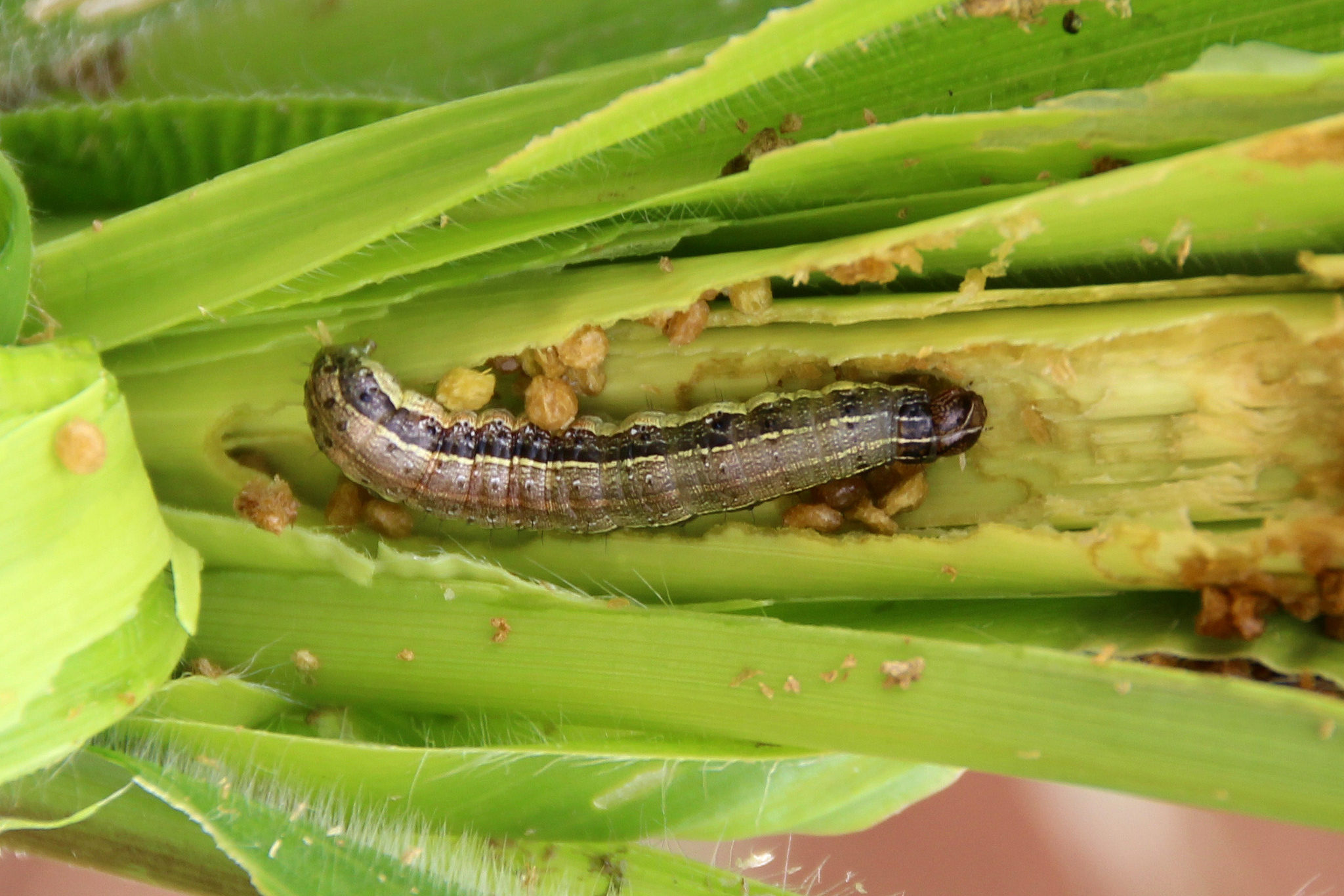
The fall armyworm (FAW), Spodoptera frugiperda, has emerged as a serious threat to rice and corn production in the Philippines, particularly in the Davao Region. Since its detection in 2019, the pest has rapidly spread due to its high mobility, polyphagous feeding behavior, and adaptability, causing significant crop damage and threatening regional food security and farmer livelihoods. Corn, being the pest’s preferred host, has suffered yield losses of up to 80% in severe infestations, while recent reports also confirm its ability to attack rice seedlings. The region’s diverse cropping systems, continuous cultivation, and favorable climate further increase FAW’s establishment and spread. Current responses rely heavily on chemical control, raising concerns over resistance development, environmental harm, and health risks. This policy brief therefore advocates the urgent adoption of science-based, integrated pest management strategies, strengthening surveillance and monitoring systems, promoting resilient, diversified farming practices, and enhancing farmer education and extension support. It also recommends increased research funding, stakeholder collaboration, and participatory approaches to develop locally adapted solutions. Implementing these coordinated strategies will reduce FAW impacts, safeguard rice and corn production, and support the long-term resilience and sustainability of the agricultural sector in the Davao Region.
Downloads
References
Agravante, A. S., Alviar, K. B., Ramirez, A. H. A., & Yap, S. A. (2022). Biology of Spodoptera frugiperda (JE Smith) (Lepidoptera: Noctuidae) on selected weed species associated with corn in North Cotabato, Philippines. Philippine Journal of Science, 151(5), 2011-2020. https://doi.org/10.56899/151.05.37
Bon, S. G., Huelgas, V. C., & Beltran, A. K. M. (2022). Prevalence, provenance distribution and variation in the variety names of Philippine traditional corn germplasm. Philippine Journal of Crop Science, 47(3), 49-59. https://www.cabidigitallibrary.org/doi/pdf/10.5555/20230192007
Gomez, C J. (2024). Q2 corn supply and price trends, impact of fall armyworm, and emerging locust infestation. [Market advisory]. Socioeconomic Research Division (SERD). https://ispweb.pcaarrd.dost.gov.ph
Gonzaga, N.R., Gonzaga, A.B., Batuigas, A.M.T., Harper, S.M., Magallanes, J.N., Abrigana, L.O., Dollen, A.T., Alcarde, M.L., Sarausa, D.M., Razalo, N.S., & Nillas, L.B. (2021). Dynamics of pesticide usage by vegetable growers in the highlands of Northern Mindanao, Philippines. Acta Horticulturae, 1312, 545-552. https://doi.org/10.17660/ActaHortic.2021.1312.77
Downloads
Published
Issue
Section

License
Copyright (c) 2026 Karl Fritze S. Sampiano

This work is licensed under a Creative Commons Attribution-NonCommercial 4.0 International License.
DRJ is an open-access journal and the article's license is CC-BY-NC. This license allows others to distribute, remix, tweak, and build on the author's work, as long as they give credit to the original work. Authors retain the copyright and grant the journal/publisher non-exclusive publishing rights with the work simultaneously licensed under a https://creativecommons.org/licenses/by-nc/4.0/.